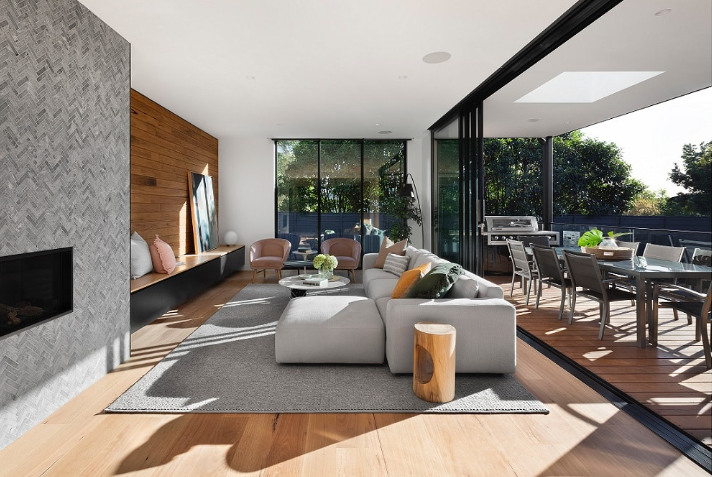
A home improvement center acts as the project catalyst, bringing materials, tools, and guidance into one place. Clear planning defines must-haves, nice-to-haves, and feasible constraints. Gather essential tools and reliable references, then pair thoughtful paint choices with smart storage to boost daily use. By aligning values and staying lean on supplies, updates can be sequenced for cohesion. The approach sets a practical path—with each step, the project reveals what’s next to consider.
Why a Home Improvement Center Is Your Project Catalyst
A home improvement center acts as a project catalyst by consolidating materials, tools, and expertise in one place, reducing the time spent sourcing supplies and coordinating vendors. This arrangement supports idea 1: project motivation, offering a streamlined environment where goals align with available resources.
It nurtures a budget mindset, encouraging prudent decisions and transparent cost awareness throughout the renovation process.
Map Your Dream: Planning Essentials in One Stop
Planning starts with clarity: what are the must-haves, the nice-to-haves, and the feasible constraints? Dream mapping begins here, guiding decisions with purpose. This one-stop approach emphasizes planning essentials: prioritize spaces, set budgets, and identify nonnegotiables. A clear framework reduces risk, accelerates progress, and preserves freedom. With disciplined dreaming, outcomes align with values, creating a cohesive, functional, and satisfying home improvement plan.
See also: techslaashcom
Tools, Materials, and Guidance: What to Gather First
With a clear blueprint in place, the next step is to assemble the initial toolkit and reference materials that will anchor the project. A practical approach emphasizes a concise tools list, essential items, and reliable manuals.
Consider material types, durability, and compatibility. Guidance should be concise, actionable, and freedom-minded, ensuring readiness without overbuying or clutter.
From Paint to Smart Storage: Practical Pathways to Customize
From paint selections to smart storage solutions, practical pathways to customize a space begin with deliberate choices that balance function and style. The guidance emphasizes a cohesive approach: select paint color to set mood, then pair it with a thoughtful storage solution that maximizes accessibility. By sequencing updates, rooms gain clarity, flexibility, and purpose, preserving freedom while enhancing daily usability.
Frequently Asked Questions
How Can I Estimate Total Project Costs Accurately?
Estimates should begin with a detailed scope, then itemize materials, labor, and permits. The process uses accurate budgeting and cost forecasting, maintaining contingency reserves. Regularly compare bids, track changes, and adjust projections to reflect evolving project realities.
Which Brands Offer the Best Value for Multi-Room Projects?
Brands offering the best value for multi-room projects balance price and reliability; consider mid-tier names with solid warranties. Brand value matters, and multi-room budgeting benefits from choosing adaptable systems that scale across spaces, reducing total lifecycle costs.
Do I Need Permits for Common Home Upgrades?
Yes, permitting basics vary by project and location; some upgrades require permits while others do not. It benefits a homeowner to verify with local authorities, ensure contractor licensing, and understand permitting basics before starting any renovation.
What Financing Options Exist for Big Renovations?
Financing options for big renovations include loans, HELOCs, and unsecured lines, providing flexibility for budgeting strategies. They enable project momentum while spreading costs; careful comparison of terms, rates, and repayment is essential to maintain financial freedom.
How Long Does a Typical Project Timeline Take?
A hypothetical homeowner’s project shows typical timelines for remodels totaling several weeks to months, depending on scope, weather, and permits; unexpected delays can extend the schedule. A case study illustrates flexible planning and proactive communication to adapt.
Conclusion
A home improvement center acts as a natural coincidence point, where plans and possibilities serendipitously align. In one visit, envisioning becomes execution: must-haves meet feasible constraints, tools meet tasks, and guidance meets budget. The project catalyst quietly reveals how paint choices echo storage needs, and sequence matters sync with supplier timing. By embracing this convergence, the home transforms thoughtfully, efficiently, and cohesively—each detail reinforcing the next, turning a scattered dream into an organized, functional space.