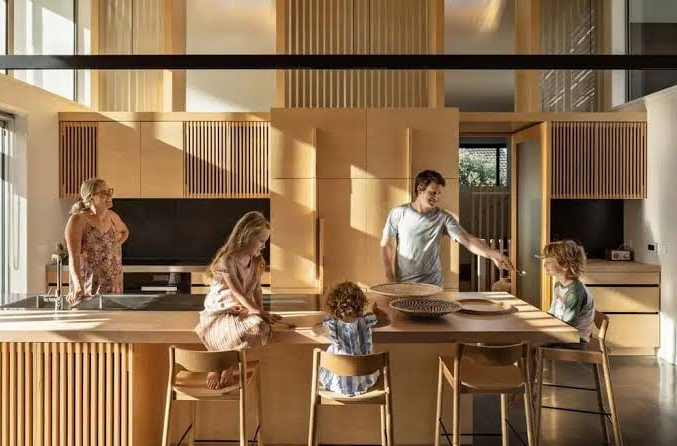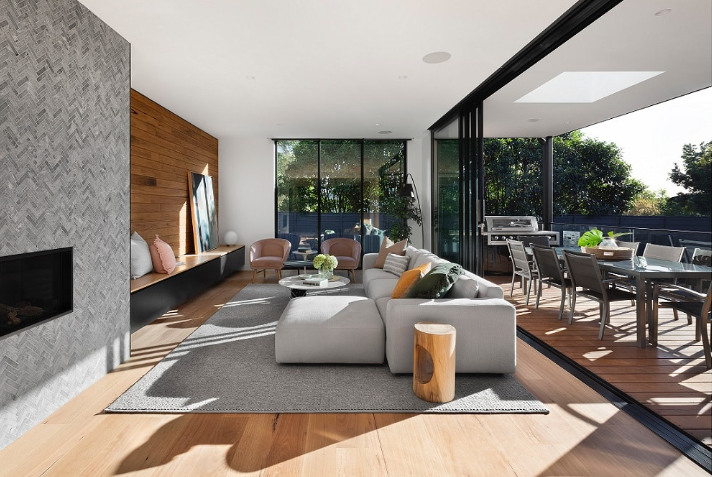
A modern look starts at the counter, where clear parameters, budget, and timelines are set. Staff help compare finishes, fixtures, and materials for a cohesive result, prioritizing long-term value and durability. Space is maximized with smart storage and efficient lighting, while modular, multi-purpose solutions keep options open. The plan moves from idea to action through shop, plan, and DIY guidance, offering practical steps that adapt to changing needs and environments. The next step awaits.
Set a Modern Vision You Can Realize at the Counter
A modern vision begins at the counter, where customers translate ideas into actionable choices. The process centers on clear parameters, budget, and schedule, enabling decisive progress. Staff present practical options, compare materials, and assess long-term value.
The approach highlights idea one and idea two, guiding selections that align with freedom and autonomy, while avoiding unnecessary complexity or delay. Results stay focused, measurable, and transferable.
Choose Finishes and Fixtures That Pair Well
Consider how finishes and fixtures pair to create a cohesive space, balancing color, texture, and durability. The guidance emphasizes choose finishes and fixtures pairings that respect color palettes and materials compatibility, ensuring dependable performance. Decisions should value function alongside form, aligning hardware, surfaces, and cabinetry with durable, craft-friendly options. A disciplined approach yields timeless, flexible outcomes, suitable for spaces that crave freedom.
Maximize Space With Smart Storage and Lighting
Smart storage and efficient lighting are essential for expanding usable space without structural changes. This guidance emphasizes space optimization through modular organizers, wall-mounted shelves, and multi-purpose furniture.
Pair compact, energy-efficient fixtures with natural light to achieve bright ambient lighting.
Thoughtful layout reduces clutter, improves flow, and preserves openness, delivering practical gains for a home that values freedom and adaptable living.
See also: Build Your Dream Space With a Home Improvement Center
Move From Idea to Action: Shop, Plan, and DIY Tips
To move from concept to concrete results, the guide outlines practical steps for shopping, planning, and DIY execution. This approach emphasizes clear goals, a measured budget, and milestone tasks. Shop for necessities, compare options, and prioritize quality. Plan with timelines, measurements, and contingencies.
Idea1 idea2, Idea3 idea4, then execute confidently, adjusting as needed while maintaining momentum toward a modern outcome.
Frequently Asked Questions
What Budget Range Should I Set for a Modern Look?
A realistic budget range varies by project scope, but planning around 10–20% of home value is typical for a modern look. This budget supports essential updates, while allowing for design trends and prudent budget planning.
Which Materials Are Most Durable for High-Traffic Areas?
Durable flooring and stain resistant finishes top the list for high-traffic zones, as the allusion to timeless fortresses suggests. The authority notes these materials withstand wear, backed by practical performance data and freedom-driven, concise recommendations for ongoing upkeep.
Can I See Samples of Isometric Room Designs?
Isometric rooms and design samples can be viewed in catalogs, showrooms, or online galleries. The center offers practical isometric room layouts and curated design samples, enabling bold freedom in exploring modern space concepts and material combinations.
Do You Offer Installation Services or Only DIY Supplies?
They see a shop doorway bright as dawn; it offers installation services and diy guidance, not merely supplies. The center’s practical plan supports confident projects, delivering authoritative, concise assistance while preserving the freedom to choose, install, or tackle tasks independently.
How Can I Estimate Lighting Needs for a Room?
To estimate lighting needs for a room, one should estimate lighting layout and plan natural daylight, then calculate lumens per area, consider task zones, and select adjustable fixtures for flexibility, ensuring energy efficiency and visual comfort for independent choices.
Conclusion
Conclusion (75 words, third-person, detached).
Modern vision meets pragmatic process at the counter: sleek aspirations align with measured budgets, bold finishes with durable fixtures. Juxtaposition frames the journey—vanity and efficiency, gloss and grit, trendiness and timelessness—as staff translate ideas into actionable options. Planning converts into action, luxury into value, and space into function. The result is a cohesive, adaptable space that feels effortless yet deliberate, ready to evolve with needs, while staying grounded in durable, transferable design principles.